National Mental Health Awareness Month
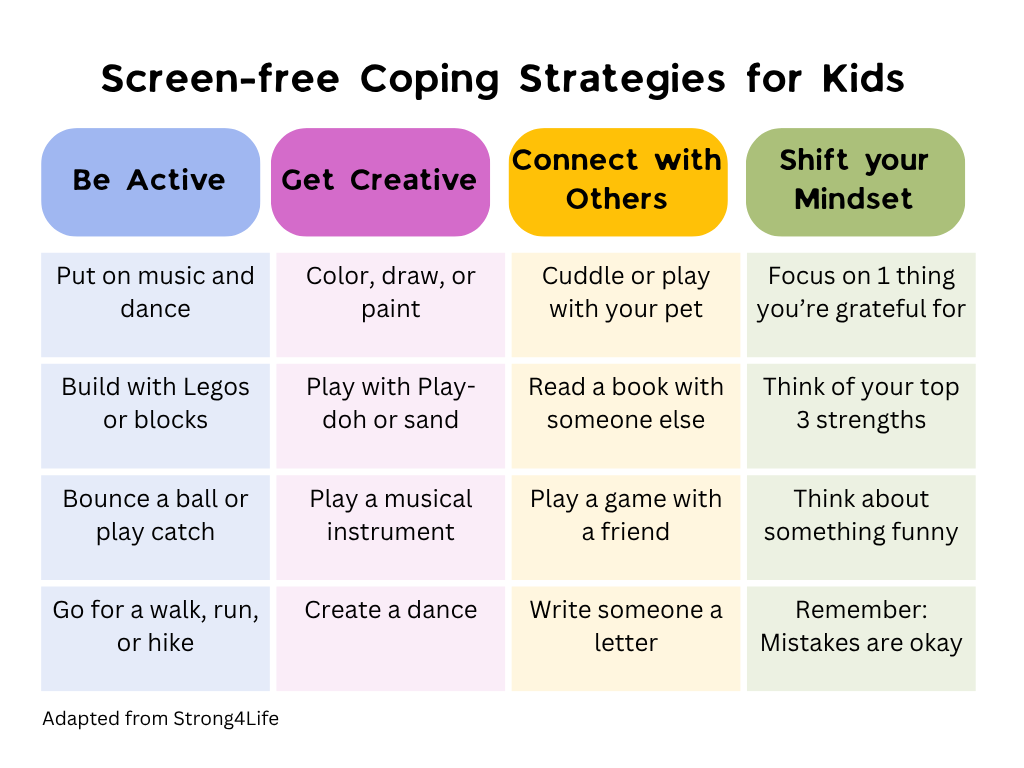
May is National Mental Health Awareness Month. As we pause to reflect on ways to support the mental health of our children, the impact of social media is at the forefront of the discussion. The relationship between social media and youth mental health is real, but it’s not simple or one-size-fits-all. When social media is introduced gradually, at an age-appropriate time, and with parental monitoring, the risks decrease.
Social Media is not all bad. Social platforms can help kids feel connected and find peers with similar interests.
But there are risks we need to be aware of.
Comparison and reduced self-esteem: Constant exposure to curated, idealized lives can lead to feelings of inadequacy.
Sleep disruption: Late-night scrolling interferes with sleep, which is tightly linked to mood and anxiety.
Cyberbullying: Unlike offline bullying, it follows kids everywhere and can escalate quickly.
Addictive design: Many apps are built around reinforcement loops tied to dopamine, making it hard for developing brains to disengage.
Mental health correlations: Heavy use has been associated with higher rates of depression and anxiety.
What matters most is how it’s used, not just how much.
Passive scrolling (endlessly consuming content) tends to be worse than active engagement (messaging friends, creating content). Kids who use social media to connect tend to fare better than those who use it to compare.
Age and maturity level matter.
Younger kids are more vulnerable to negative effects because they’re still developing identity, impulse control, and emotional regulation.
Warning signs that indicate social media is problematic for your child.
Sudden withdrawal from offline activities
Mood changes after using their phone
Obsession with likes, comments, or appearance
Sleep problems
Secrecy or distress related to online interactions
Helpful things parents can do.
Open conversation. Ask children how they feel after scrolling through social media. This can lead to a helpful conversation in which kids develop awareness of how they are impacted.
Set boundaries collaboratively. Start with the age you feel your child is ready for social media. Most experts say 15 or 16 years old. Other boundaries include device-free bedrooms at night and reasonable screen time.
Model the behavior you want from your child.
Practice critical thinking. Now more than ever, our children need to develop discernment with digital content.
Know the platforms your child is on (or wants to be on). As a parent, you know your child better than anyone. Trust your instincts. If you feel an online platform would be harmful for your child, share your concerns with them.
For more information, visit our Safe & Healthy Homewood page.